Find Balance With Specialist Treatment for Bipolar Disorders
At Victory Bay, we understand what it's like living with bipolar disorder. Our treatment center helps you manage the extreme mood swings between manic highs and depressive lows that disrupt your daily functioning, relationships, and quality of life.
Get the treatment you need from caring professionals.
VICTORY BAY
Bipolar Disorder
Bipolar disorder is a spectrum of mental illness. Some people require intensive outpatient treatment programs in a bipolar disorder treatment center. Others will do fine doing intermittent therapy and working to regulate moods using medicines or other techniques. Attending a bipolar disorder treatment center for bipolar disorder will help you create stronger relationships and live a more satisfying life.
What is Bipolar Disorder?
Bipolar disorder has been called this because of the cyclical nature of the illness. In this disorder, patients vacillate between high and low episodes that are characterized by periods of mania and periods of depression. The swings are severe enough to affect how a person lives from one side of the range to the other.
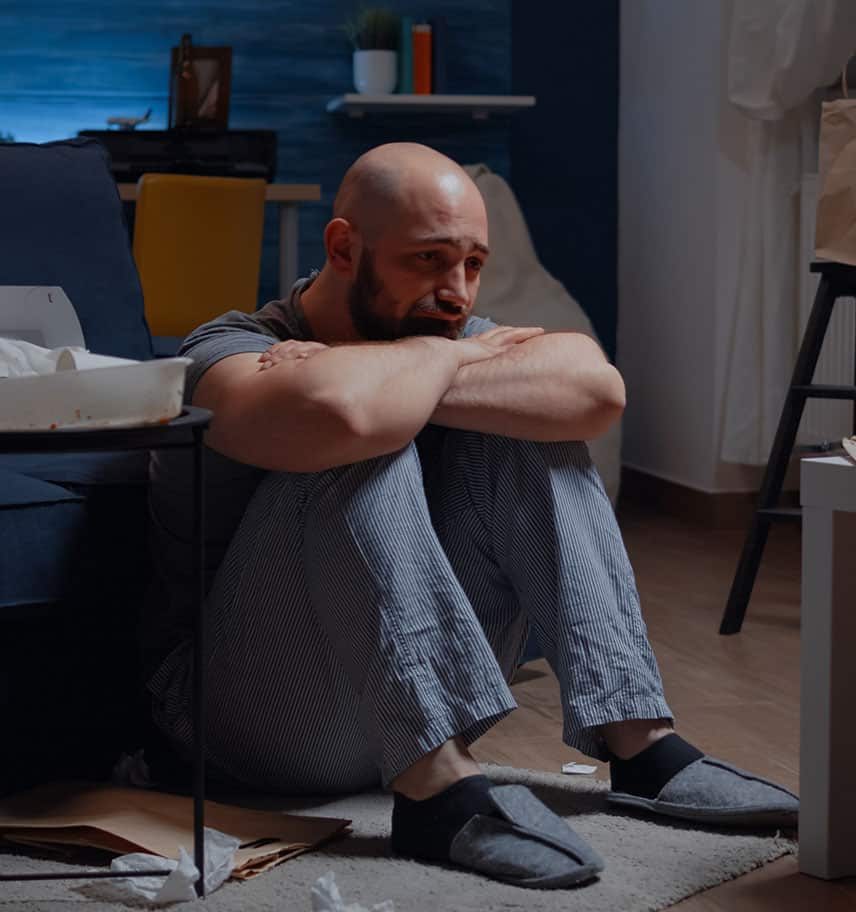
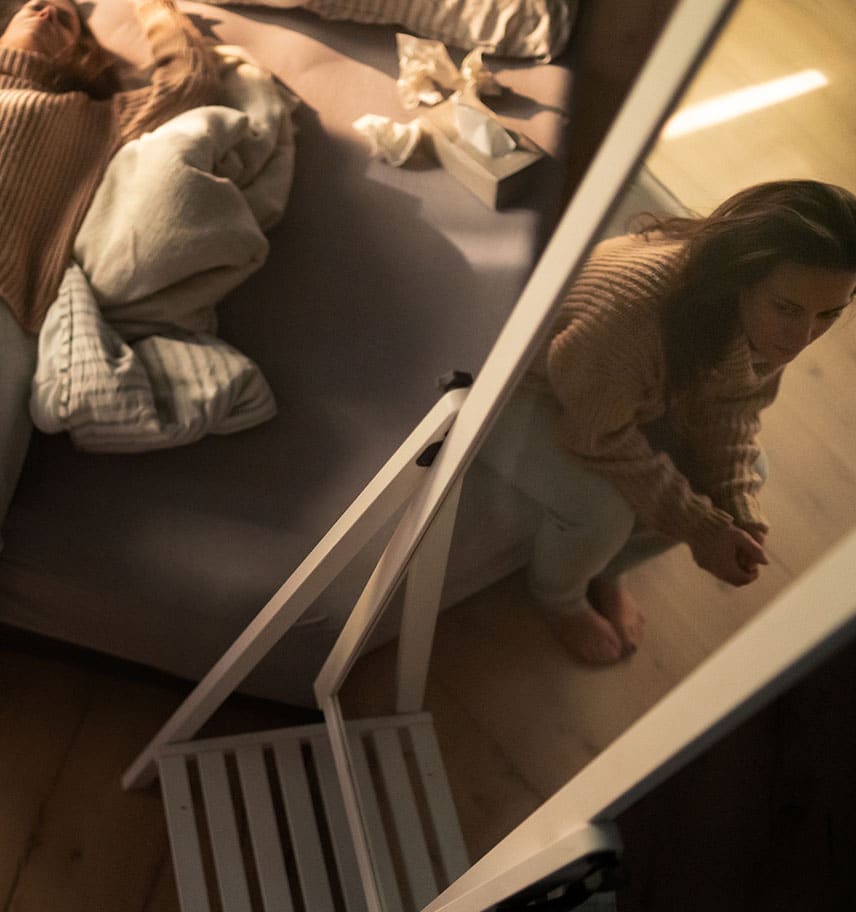
During elevated periods, bipolar people will have lots of energy, they may not sleep at all, and develop plans that seem irrational to others and carry them out. During low periods bipolar people can become depressed to the point that they may not be able to get out of bed or complete regular daily tasks.
Cycle lengths can vary from person to person but most commonly cycles last for about seven days in patients that have a more severe form of the disorder. There are four types of bipolar disorder. People with bipolar disorder will appear to go through emotionally intense periods and periods that are devoid of emotion. Each stage comes with its own set of symptoms.
Symptoms

Symptoms of mania are:
Take Risks
Insomnia
Irritable
Talk Fast
On Cloud Nine
Believe They Can Multitask
Racing Mind
Symptoms of depression are:
Feeling Down
Tired
Unable to Enjoy Things
Forgetful
Dysregulated Eating
Suicidal Ideation
What is bipolar disorder all about?
Researchers once thought that it was similar to depression, but that is not the case at all. Bipolar disorder is more of a genetic illness because the symptoms are a result of altered signaling pathways in the brain. These signaling pathways control cell plasticity for the most part. Research up to this day still has not identified specific genes that are related to bipolar disorder, but these signaling pathways have been sussed out.
Mental Health Treatment Modalities

Frequently Asked Questions About Bipolar Disorders
What really causes bipolar disorder?
Bipolar disorder is linked to multiple factors, including genetic predispositions, neurochemical imbalances, and environmental stressors.
How does bipolar disorder affect daily life?
Living with bipolar disorder means experiencing intense mood swings that can disrupt daily life. During mania, you might feel invincible, wired, and overly confident, often accompanied by risk-taking behaviors or minimal sleep. During depression, you might feel drained, withdrawn, or unmotivated to participate in once-loved activities.
How long do cycles typically last?
While cycles vary, the most severe ones have mood episodes that generally take a week or so. However, some individuals may experience shorter or longer cycles. Understanding the length and triggers of your cycles is important for early intervention.
Our treatment asks you to track your moods quite closely so that we can anticipate and treat episodes early, before they become worse.
What are the treatments for bipolar disorder?
Treatment for bipolar disorder is highly individualized. It may include medication to stabilize mood, therapy to acquire coping skills, and, for some, intensive programs. We recommend a combination of approaches because treatment for bipolar disorder goes beyond medication; it focuses on building a fulfilling life through relationships, self-awareness, and daily strategies.
Can therapy help with bipolar disorder?
Therapy is a key part of recovery because it helps you to become aware of your moods, notice warning signs, and rehearse healthy habits. Cognitive-behavioral therapy and interpersonal therapy, among others, can guide you toward healthier emotional management and communication. It's essential to be in a supportive environment where you feel heard and are prepared to address your issues.
Can a person with bipolar disorder live a normal life?
Yes, the majority of individuals who engage in therapy for bipolar disorder can form more stable relationships, maintain employment, and find greater enjoyment in life. While bipolar disorder presents challenges, diligent treatment and support allow for the possibility of creating a balanced life.
We are here to help you achieve that potential and sustain it over the long term.
What should I do if I notice early signs of mania or depression?
Early intervention is key to effective treatment. If you experience symptoms such as racing thoughts, sleeplessness, irritability, increased self-assurance, or a dramatic change in mood and energy, we encourage you to contact us as soon as possible. Together, we can develop a plan for symptom management before symptoms get out of control.
How can family members and friends play a role in treatment?
Support networks offer invaluable encouragement and insights. Involving family and friends in educational or therapy sessions can enhance communication and help everyone recognize early symptoms of mood shifts. Their involvement creates a supportive environment that strengthens your journey toward recovery.
Where do you offer therapy for bipolar disorder?
Alongside our telehealth services, we offer in-person appointments in New Jersey, Massachusetts, and Indiana. Locations include:
- Clementon, NJ
- Laurel Springs, NJ
- Princeton, NJ
- Woburn, MA
- Indianapolis, IN
Schedule an Appointment Today
Find stability and balance with effective treatments for bipolar disorders. Our expert team is ready to help you manage symptoms and thrive.