About Woburn, MA
Victory Bay is committed to providing the highest quality of care to individuals. As a result, you can find reliable mental health services — including therapy, psychiatry, and more — in your community. In addition to our outpatient facilities, many mental health practitioners offer telehealth services!
At Victory Bay, we believe that all individuals deserve access to compassionate, evidence-based care. Whether you are looking for an Intensive Outpatient Program, ongoing therapy, or a transition from a higher level of care, we are committed to walking alongside you.
Contact our caring team today to start your healing journey with our mental health treatment in Woburn, MA.


About
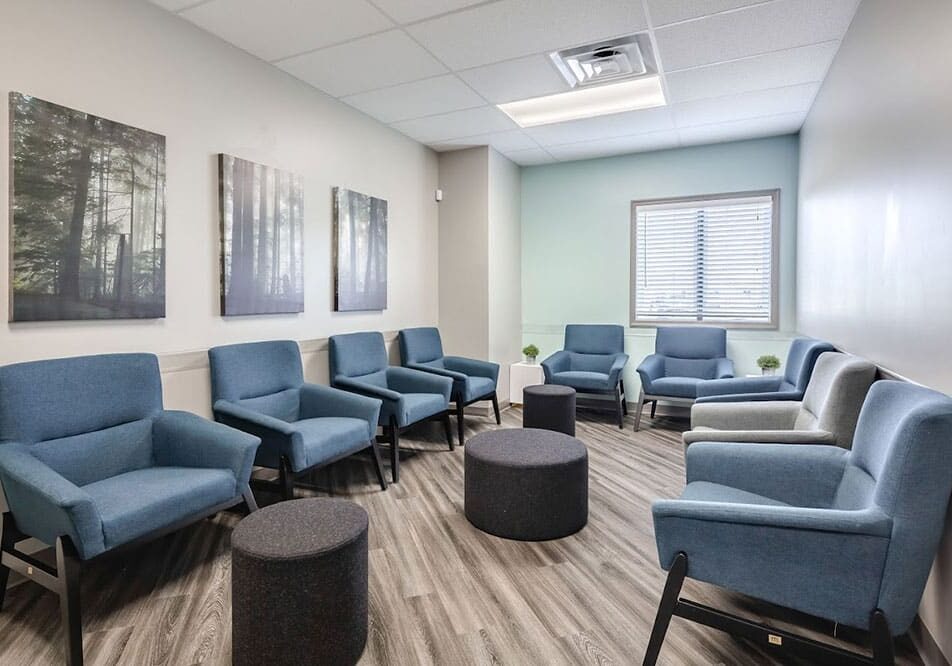
Victory Bay is an outpatient behavioral health facility that provides primary mental health treatment programs for psychiatric conditions such as depression, anxiety, bipolar disorder, and PTSD. We offer a clean, bright environment with a calming and positive tone. In addition, our mental health and wellness treatment center focuses on providing you with a new outlook on life through a blend of traditional and integrative wellness services.
Meet Our Staff

 Telehealth

 In Person




FAQ: Mental Health Treatment in Woburn, MA
Finding the right mental health treatment program can be daunting, particularly if you have no idea what to expect, how long the program will take, or which level of care is best suited to your needs. Our FAQ addresses the most common questions about mental health treatment. We hope it helps you make informed, confident decisions about next steps.
Which Forms of Mental Health Treatment Do You Offer?
We offer a range of mental health services in Woburn, MA. These include talk therapy, medications, outpatient treatment programs, and residential treatment programs for individuals requiring a higher level of care. Many individuals also benefit from holistic care, like mindfulness, exercise, and other wellness modalities.
Contact Our Trusted Team to Discuss Treatment in Woburn
How Do I Know When I Am Ready for Mental Health Treatment?
Typically, we recommend that individuals seek assistance when they begin experiencing emotional distress that impairs their ability to function in their job, school, or social relationships. Another sign could be an inability to maintain personal care for more than a couple of weeks.
If you have experienced prolonged periods of depression, anxiety, loss of interest in things that you once found enjoyable, or thoughts of harming yourself, you should consider seeking a professional assessment.
What’s the Difference Between Therapy and Medication?
Therapy involves developing healthier patterns of thinking, feeling, and behaving. It is primarily used to enhance coping mechanisms and behavior patterns. Medications are generally prescribed to treat specific symptoms of depression, anxiety, or psychosis. They are usually prescribed and monitored by a physician.
How Can Cognitive Behavioral Therapy Help With Mental Health Issues?
Cognitive Behavioral Therapy (CBT) is a goal-directed therapy designed to help individuals identify maladaptive thought patterns and replace them with more rational, adaptive ways of thinking. Practicing these new thoughts and behavior patterns in daily interactions often leads to reduced symptoms and improved functioning.
What Is an Intensive Outpatient Program (IOP)?
Intensive Outpatient Programs (IOPs) consist of multiple therapy sessions each week, either in group or individual formats. Individuals attending IOP may remain at home while receiving therapy. IOPs are ideal for individuals who need more support than standard weekly therapy but do not require 24-hour supervision.
When Is Residential Mental Health Treatment Needed?
Residential mental health treatment is recommended when an individual has severe symptoms, safety concerns, or significantly impaired daily functioning. Individuals receive structured, around-the-clock support in a safe, homelike environment that promotes stabilization, skills development, and long-term recovery.
What Can I Expect From Depression Treatment?
At our Depression Treatment Center, we offer a holistic approach to treating depression. This includes various therapies, medication management, education on the causes and consequences of depression, and strategies to promote positive lifestyle changes.
The goal of our depression treatment programs is to decrease symptoms such as low mood, hopelessness, and fatigue. This helps individuals return to meaningful, fulfilling activities and relationships.
Can a PTSD Treatment Program Facilitate Healing From Trauma?
Yes, PTSD treatment programs generally attempt to create a sense of security, teach grounding and coping skills. They assist individuals in processing traumatic events in a controlled and supportive manner.
There are evidence-based therapies for PTSD, such as Trauma-Focused Cognitive Behavioral Therapy, and other methodologies that specifically address intrusive thoughts, avoidance, and hyperarousal.
What Are the Typical Components of Anxiety Therapy?
Anxiety therapy frequently includes developing awareness of the interconnection between thoughts, physiological sensations, and behaviors, and then creating alternative ways of responding to them. Our therapists use Cognitive Behavioral Therapy techniques such as exposure to anxiety-producing stimuli, relaxation skills, and cognitive restructuring to assist individuals in reducing excessive worry and panic.
How Long Does Mental Health Treatment Usually Last?
The duration of treatment varies by individual, therapy type, and symptom severity. Many structured therapies are offered for anywhere from a few weeks to a year or longer. Some individuals also choose to attend periodic follow-up appointments to help maintain their progress.
Can People Actually Recover From Mental Health Disorders?
Yes, many people experience a substantial reduction in symptoms and develop the skills to manage them effectively when they follow a consistent treatment program tailored to their needs. Although some mental health disorders may persist, early intervention, continued treatment, and healthy lifestyle practices allow many individuals to lead productive and fulfilling lives.
Are Family Members Included in Treatment?
Family members are often encouraged to learn about mental health disorders, develop communication skills, and obtain guidance on how to offer supportive, nonjudgmental support. Family sessions can also focus on establishing healthy boundaries, understanding the potential triggers of their loved one’s condition, and assisting in creating a stable and supportive home environment for the recovery of their loved one.
What Should I Do if Treatment Appears to Be Ineffective?
If you have not seen any improvement after a reasonable period, we recommend discussing your concerns and experiences with your therapist. Together, you can assess whether adjustments to your treatment plan, exploring alternative treatments or medications, or a referral to a higher level of care may be warranted.
How Can I Contribute to My Overall Mental Health?
Combining professional treatment with daily routines and practices that support emotional well-being can be very beneficial to many individuals. Examples of such practices include:
- Maintaining a consistent sleep schedule
- Engaging in light physical activity
- Eating nutritious food
- Remaining connected with supportive individuals
- Engaging in relaxation or mindfulness techniques
These practices can enhance the effectiveness of therapeutic work and increase resiliency over time.